

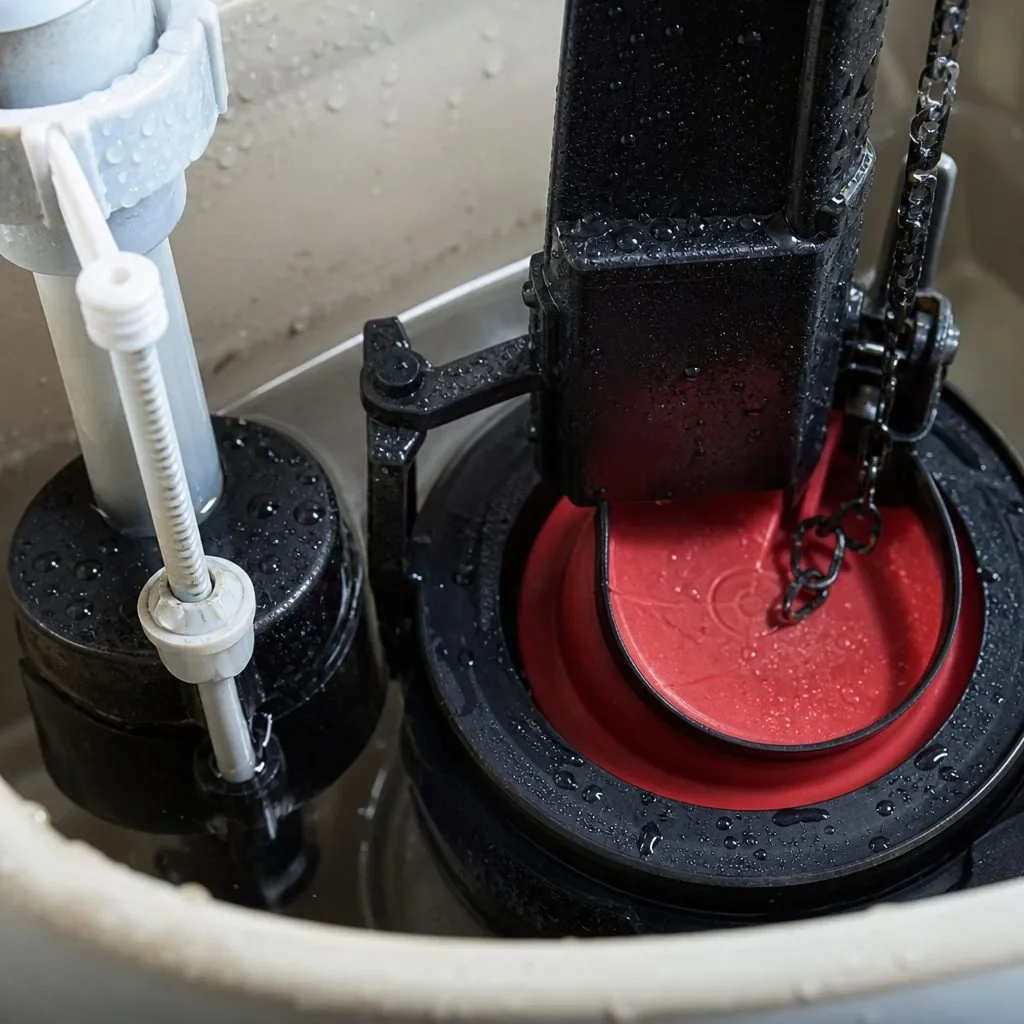
A running toilet at 2 a.m., a wobble you can't ignore, water pooling at the base when no one's touched it in hours — toilet problems rarely show up at a convenient time. And while a surprising number of homeowners in South Bend try to tough it out with a plunger and a prayer, plumbing repairs for toilets usually come down to a short list of predictable culprits. Knowing what they are can save you money, water, and a flooded bathroom floor.
The Most Common Toilet Problems Homeowners Face
Most toilet issues fall into a handful of categories, and almost all of them are fixable without replacing the whole unit.
Running toilets are the most frequent complaint. The culprit is usually a worn flapper valve that no longer seals properly, letting water trickle from the tank into the bowl around the clock. This single issue can waste hundreds of gallons a month and show up as a strange bump on your water bill.
Weak or incomplete flushes often trace back to a fill valve that isn't delivering enough water to the tank, a clogged rim, or a flapper that closes too early. Sometimes it's as simple as adjusting the water level; other times the valve itself needs replacing.
Toilets that rock or wobble are a bigger red flag. This usually means the wax ring sealing the base to the floor flange has failed, which can let sewer gas and water seep beneath the toilet and into the subfloor. Left alone, this leads to water damage that costs far more than the original repair.
Clogs that keep coming back might not be a toilet problem at all — they can point to a partial blockage further down the drain line. If plunging works for a day and then the same slow drain returns, that's worth a second look. We cover related scenarios in our post on what causes a plumbing drain clog and when it's time to call in help.
Why Some Toilet Repairs Are Worth DIY — And Why Some Aren't
Swapping a flapper valve or adjusting a fill valve float are reasonable weekend projects for a handy homeowner. Parts are inexpensive, and the tools required are minimal.
Where it gets trickier is anything involving the wax ring, floor flange, or water supply line connections. A toilet that's leaking at the base needs to come off the floor entirely to diagnose properly, and reinstalling it with a proper seal takes more than tightening a few bolts. Get it wrong, and you're looking at water damage to the subfloor or even the ceiling below if you're on a second story.
This is really the line between a quick fix and a job that calls for professional plumbing repair — not because homeowners can't learn to do it, but because the cost of a mistake (rotted subfloor, mold, a cracked flange) outweighs the savings of doing it yourself.
What a Professional Toilet Repair Actually Involves
When a licensed plumber handles a toilet repair, the process usually looks like this:
- Diagnosis — checking the flush mechanism, water level, supply line, and base seal to pinpoint the actual failure point, not just the symptom.
- Parts replacement — swapping flappers, fill valves, wax rings, or supply lines with components rated for your specific toilet model.
- Reseating and testing — if the toilet needs to come off the floor, resetting it with a new wax ring and confirming a tight, level seal before running multiple test flushes.
- Checking for underlying issues — a good plumber will also glance at your shutoff valve condition and surrounding plumbing, since toilet problems sometimes reveal bigger issues nearby.
This is a good example of what falls under residential plumbing services more broadly — the day-to-day repairs that keep a home functioning without requiring a major renovation.
What South Bend Homeowners Should Expect to Pay
Toilet repair costs vary depending on what's actually wrong. A flapper or fill valve replacement is typically the least expensive fix, often resolved in under an hour. A full reseat with a new wax ring costs more due to the labor involved in removing and resetting the toilet, plus the risk of discovering flange damage once the unit is lifted.
If you're trying to balance getting the job done right with not overpaying, it helps to understand what affordable plumbing actually looks like in practice — it's rarely just about the sticker price, but about getting durable repairs that don't need redoing in six months.
When to Call a Plumber Instead of Waiting
A few signs mean it's time to stop troubleshooting and pick up the phone:
- Water pooling around the base of the toilet, even intermittently
- A toilet that rocks when you sit down or shift your weight
- A flush that sounds or feels different than it used to, with no obvious cause
- Water stains on the ceiling below a second-floor bathroom
- A toilet that keeps clogging despite normal use
Any of these can escalate quickly, and a few — especially base leaks — fall into territory covered by our guide on emergency plumbing services if water is actively getting where it shouldn't.
The Bottom Line for South Bend Homeowners
Toilet repairs are some of the most common plumbing calls we get, and the good news is most of them are straightforward once correctly diagnosed. The key is not letting a small issue — a running toilet, a slight wobble — sit for months. Water finds the path of least resistance, and in a bathroom, that path often leads somewhere you don't want it.
If your toilet has been acting up and you're not sure whether it's a five-minute fix or something more involved, Goff Heating & Plumbing can take a look and give you a straight answer. Give us a call to get it sorted before a small leak turns into a bigger repair.