

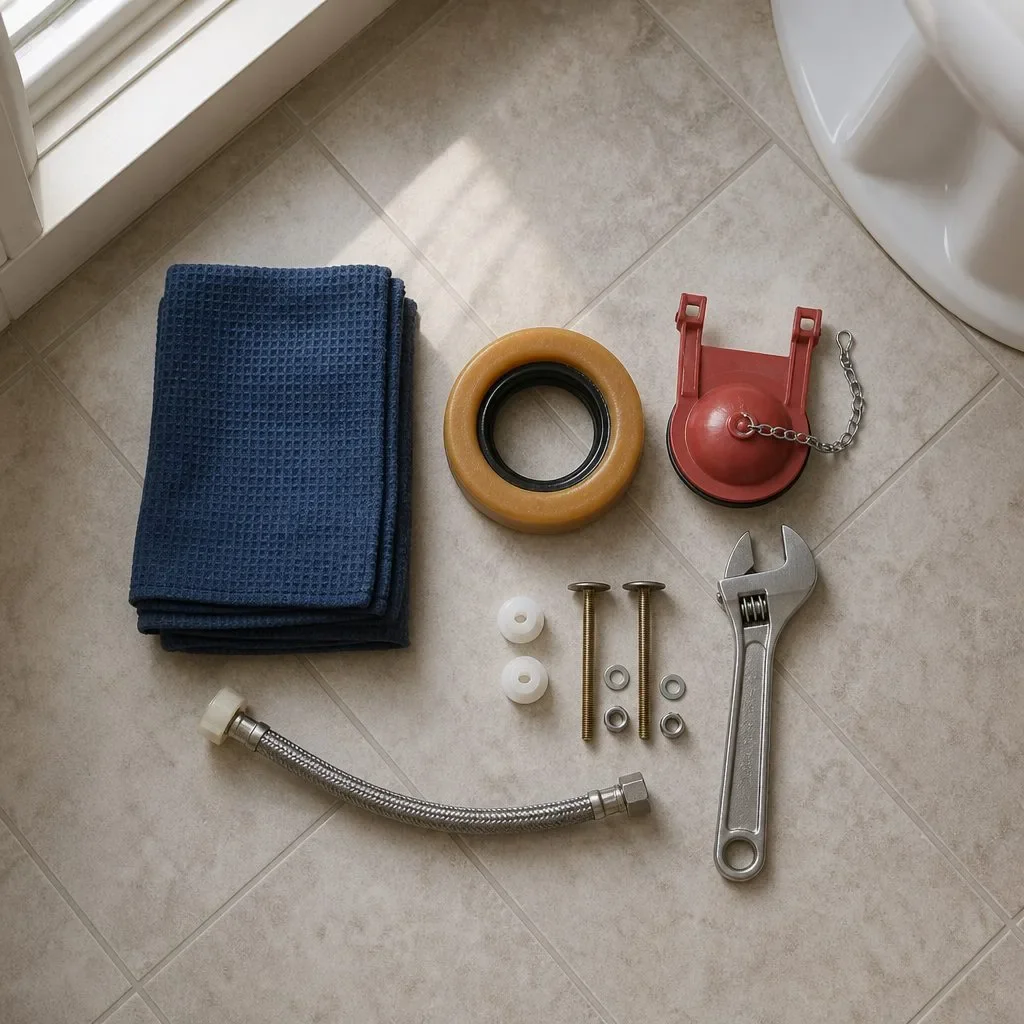
A running toilet, a weak flush, or water pooling around the base isn't just annoying — it can waste hundreds of gallons a month and sometimes signals a bigger problem underneath. If you're dealing with any of these issues in your South Bend home, here's what's actually going on and when it makes sense to call a professional instead of chasing a DIY fix that doesn't stick.
Common Toilet Problems Homeowners Run Into
Most toilet repair calls fall into a handful of categories, and knowing which one you're dealing with helps you understand what the fix actually involves.
Running toilets are usually caused by a worn flapper valve that isn't sealing the tank properly, letting water trickle into the bowl constantly. It's a simple part, but if the flapper has degraded from hard water or age, replacing it is quick work for a plumber and stops the water waste immediately.
Weak or incomplete flushes often trace back to a clogged trapway, a misadjusted fill valve, or mineral buildup restricting water flow from the tank. Sometimes it's as simple as cleaning out the rim jets; other times it points to a venting issue further down the line.
Water around the base is the one that deserves the most attention. This usually means the wax ring sealing the toilet to the floor flange has failed, letting water seep out with every flush. Left alone, this can damage subflooring and lead to much costlier repairs than the toilet repair itself.
Constant clogs that keep coming back, even after plunging, can indicate a partial blockage further in the drain line — something a simple plunger won't fix long-term.
Why DIY Fixes Don't Always Hold
A lot of homeowners start with a $12 flapper from the hardware store, and sometimes that's genuinely all it needs. But toilets are deceptively finicky — a flange that's sitting slightly off-level, a fill valve that's the wrong height for the tank, or a wax ring installed without resetting the toilet squarely can all undo a fix within weeks.
This is especially true in older South Bend homes where original plumbing fixtures and flooring have settled over decades. What looks like a straightforward flapper swap can turn into discovering the flange itself is cracked or sitting too low, which changes the whole repair.
If you're already dealing with a plumbing drain clog elsewhere in the house, it's worth having a plumber look at the whole system rather than patching one fixture at a time.
When It's Time to Call a Plumber
A few signs mean it's worth skipping the DIY route:
- Water is visibly leaking at the base of the toilet
- The toilet rocks or feels unstable when you sit down
- You've replaced the flapper and fill valve but the problem persists
- There's a sewer smell near the toilet even when it's not in use
- The toilet has clogged more than once in the same week
Any of these can point to a failing wax ring, a cracked flange, or a vent stack issue that needs proper diagnosis. Trying to force a fix on a problem you can't fully see usually costs more in the long run, whether that's water damage to your subfloor or a repeat service call.
What Professional Toilet Repair Looks Like
A plumber coming out for plumbing repair on a toilet issue will typically start by checking the tank components, testing the flush mechanism, and inspecting the base seal. If the toilet needs to be pulled to replace the wax ring or inspect the flange, that's done carefully to avoid cracking porcelain or damaging the surrounding floor.
For older homes, this is also a good moment to flag anything else nearby that might need attention — a slow drain, a water heater showing its age, or signs that it's time to replace a furnace if the home hasn't had a system check in a while. Plumbers who handle the full picture save you from calling multiple companies for issues that often show up together in aging homes.
Cost Expectations
Toilet repair costs vary depending on what's actually wrong. A flapper or fill valve swap is usually the least expensive fix. A full reseat with a new wax ring costs more due to labor and the care required to avoid damaging flooring or porcelain. If the flange is cracked or the drain line needs clearing, costs go up accordingly — but a straightforward phone estimate after describing the symptoms can usually get you in the right ballpark before anyone shows up.
Getting It Fixed Right the First Time
Toilet problems rarely fix themselves, and small leaks compound into bigger water bills and potential floor damage the longer they're ignored. If your toilet's been running longer than it should, flushing weak, or leaking at the base, it's worth getting a second opinion from a plumber who can diagnose the actual cause rather than guessing at parts.
Goff Heating & Plumbing handles plumbing toilet repair throughout South Bend, from quick flapper replacements to full reseats and flange repairs. If something's not working right in your bathroom, give us a call and we'll get it sorted the first time.